



Faculty Biographies
June 18, 2026
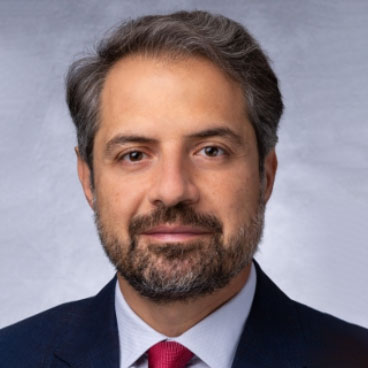
Elias Jabbour, MD
MD Anderson Cancer Center, Houston, TX, USA
Dr Elias Jabbour is a professor of medicine in the Department of Leukemia at The University of Texas MD Anderson Cancer Center (MDACC) in Houston, where he also leads the acute lymphocytic leukemia (ALL) program. He graduated from the Saint Joseph University of Beirut Faculty of Medicine, Lebanon, and joined the Hotel Dieu de France University Hospital as a resident. He pursued a fellowship in hematology-oncology at the Gustave Roussy Institute, France. In 2003, he joined MDACC as a fellow in the Department of Hematology/Leukemia and Stem Cell Transplantation. He later joined the faculty in the Leukemia Department as an assistant professor.
Dr Jabbour is actively involved in developmental therapeutics research in leukemia. Over the past 5 years, he has assisted in developing chemotherapeutic and biologic agents in leukemias and contributed to the development of others. These include Hyper-CVAD + ofatumumab in ALL, clofarabine in myeloid malignancies, hypomethylating agents in acute myeloid leukemia (AML) and myelodysplastic syndromes, tyrosine kinase therapy in chronic myeloid leukemia (CML), and triplet therapy in AML. This research has also provided insight into the biology of leukemias, and Dr Jabbour has extensively addressed the question of resistance to tyrosine kinase inhibitors and analyzed the outcomes of these patients.
Dr Jabbour was actively associated with frontline studies of nilotinib and dasatinib, which resulted in US Food and Drug Administration approval of these agents for frontline CML therapy in 2010. He is leading efforts to test triplet therapy in AML (nucleoside analogs + anthracyclines + cytarabine). The interim results from this randomized trial show a significant improvement in outcome for patients who receive the nucleoside analog clofarabine and may change the standard of care for management of AML. Furthermore, he is currently investigating the benefit of adding humanized monoclonal antibody for the treatment of patients with ALL (ofatumumab and Hyper-CVAD) and collaborating in the development of monoclonal antibody studies in adult ALL. Finally, Dr Jabbour has authored or co-authored hundreds of peer-reviewed medical publications and has served on the editorials board of several scientific journals.
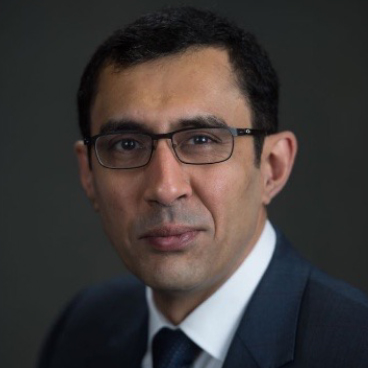
Ashish Bajel, MBBS, FRACP, FRCPA
Peter MacCallum Cancer Center and The Royal Melbourne Hospital, Melbourne, Australia
Dr Ashish Bajel co-leads the acute leukemia and myelodysplastic syndromes service at the Peter MacCallum Cancer Centre and Royal Melbourne Hospital in Melbourne, Australia. He is an associate professor in the Department of Medicine at the University of Melbourne, a senior member of the bone marrow transplant service, and serves on the board of directors for the Australia and New Zealand Transplant and Cellular Therapies group. Dr Bajel received his MBBS and MD from the University of Mumbai, India, and his doctorate of medicine in clinical hematology from Tamil Nadu Dr MGR Medical University. He is a fellow of the Royal Australasian College of Physicians and the Royal College of Pathologists of Australasia.
Dr Bajel’s research is focused on the development of novel drugs and immunotherapies for acute leukemia. He serves as an investigator on multiple national and international clinical trials, including early-phase and first-in-human studies. Dr Bajel is a member of Australasian Leukemia Lymphoma Group (ALLG) and contributes to the national taskforce responsible for the Optimal Care Pathway and national treatment guidelines for acute leukemia. He is actively engaged in the design and implementation of national clinical trials for both acute myeloid leukemia and acute lymphocytic leukemia through the ALLG. Dr Bajel is committed to advancing evidence-based practice and improving outcomes for patients with acute leukemia.